


When someone mentions the “death rattle,” it’s enough to send shivers down anyone’s spine. This unsettling sound, often associated with the final moments of life, raises questions that can make even the bravest among us squirm. But what if there’s more to this eerie phenomenon than meets the eye? Has anyone actually survived the death rattle?
In a world filled with miraculous stories and unexpected twists, the idea of someone bouncing back from such a grim moment sparks curiosity and a hint of hope. Could it be that the death rattle isn’t the final curtain call but rather a dramatic pause in life’s unpredictable play? Dive into this intriguing exploration where humor meets the macabre, and discover whether there’s a chance for a comeback even in the most chilling of circumstances.
Understanding the Death Rattle
The death rattle represents a unique sound encountered during the final stages of life. This phenomenon is linked to the body’s natural processes as it prepares for death.
What Is the Death Rattle?
The death rattle refers to a distinctive sound produced by the buildup of fluid in the throat and upper airways. Patients often exhibit this sound when they can no longer clear secretions effectively. It manifests as a gurgling or rattling noise during breathing. This acoustic occurrence frequently indicates that death is approaching. For many, it remains a perplexing and unsettling experience.
Causes of the Death Rattle
Several factors contribute to the emergence of the death rattle. Reduced consciousness plays a significant role, as less awareness leads to decreased cough reflexes. Additionally, fluid accumulation from the body’s inability to manage secretions influences this phenomenon. Changes in breathing patterns also impact the sounds emitted during respiration. Factors like diseases, medications, and age can exacerbate these underlying issues. Understanding these causes aids families in recognizing the natural progression of dying.
Has Anyone Survived the Death Rattle?
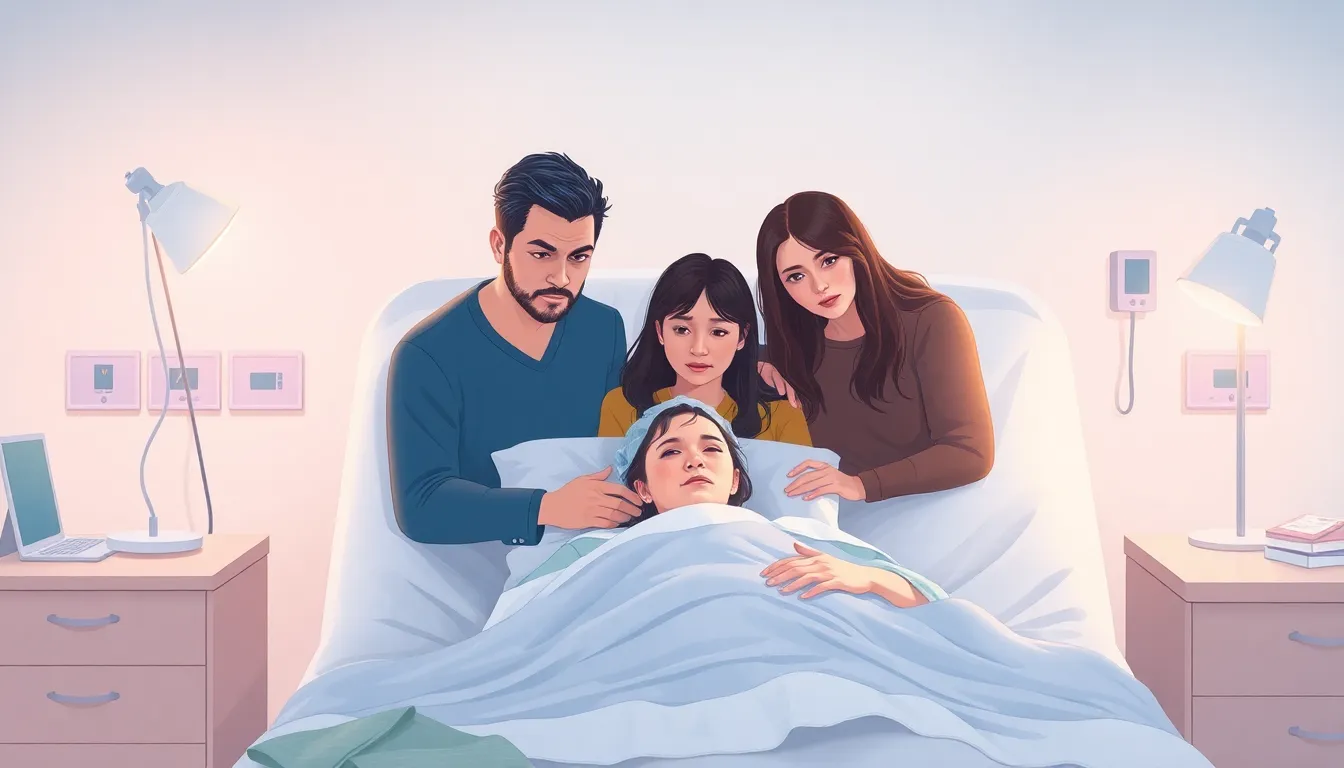
Survival after experiencing the death rattle remains a rare phenomenon. Many wonder if there are documented cases of individuals who defy the grim associations of this sound.
Anecdotal Evidence
Reports exist of patients appearing to recover after exhibiting the death rattle. Families often describe instances where individuals unexpectedly regained alertness and improved condition. Some suggest that these recoveries might stem from increased awareness or possibly the body’s natural resilience. These anecdotes often circulate among caregivers and families, highlighting the unpredictability of end-of-life experiences. However, such instances lack scientific validation and mostly reflect personal perceptions and emotional responses.
Medical Perspectives
From a medical standpoint, the death rattle generally indicates imminent death. Experts recognize it as a result of respiratory changes and fluid accumulation. Most healthcare professionals classify this sound as a late-stage symptom linked to serious illness. Studies show that while some patients may briefly stabilize, survival post-death rattle is uncommon. Medical literature emphasizes understanding this phenomenon as part of the dying process instead of a warning sign of recovery.
Implications of the Death Rattle
The death rattle holds significant implications for both patients and their families. This auditory cue often signals the final stages of life, creating emotional turbulence. Families may experience distress while observing loved ones in this state. Frequent discussions occur among family members about the implications of this phenomenon. Communication becomes crucial during these moments to address fears and provide reassurance. Many caregivers seek to understand the meaning behind the sound as they navigate the complexities of the dying process.
Impact on Patients and Families
Patients nearing death often exhibit the death rattle, which can signal severe health decline. This sound enhances awareness surrounding the dying process. Families may confront feelings of helplessness as they witness the physical changes. Difficult conversations frequently arise regarding end-of-life decisions. Coping strategies vary, yet open dialogue about expectations can alleviate fears. Emotional support from healthcare providers better prepares families for what lies ahead.
Palliative Care Considerations
Palliative care teams play an essential role in managing the death rattle’s implications. Understanding the cause of the sound helps tailor interventions. Healthcare practitioners prioritize comfort for both patients and families during these moments. Medications may alleviate symptoms, making breathing easier for the patient. Families may receive guidance on how to provide physical and emotional support. Care protocols emphasize the importance of preserving dignity as the natural process unfolds.
Coping Strategies for Loved Ones
Coping with the death rattle’s emotional toll presents significant challenges for many families. Effective communication with healthcare providers fosters understanding and support during this time.
Communication with Healthcare Providers
Engaging with healthcare providers allows families to seek clarity about the dying process. Patients’ needs and changes can be discussed, providing insights into the implications of the death rattle. Providers can explain the situation clearly, addressing questions and concerns. They often recommend options for comfort care, ensuring families feel supported. Regular updates can also aid families in processing emotions and making informed decisions regarding end-of-life care.
Emotional and Spiritual Support
Accessing emotional and spiritual support can enhance coping mechanisms for families. Support groups offer a space for shared experiences and understanding, connecting others facing similar situations. Spiritual care may involve conversations with chaplains or religious leaders, providing comfort and reassurance. Mindfulness techniques, such as meditation or prayer, help families center themselves amidst anxiety. Emotional professionals, like counselors or therapists, can assist in navigating grief and fear, ensuring emotional wellbeing during this challenging time.
The death rattle remains a complex and often misunderstood aspect of the dying process. While it’s generally viewed as a sign of imminent death, the rare instances of survival following this phenomenon challenge conventional beliefs. These stories, though anecdotal, spark curiosity and highlight the unpredictable nature of life and death.
For families facing this difficult time, understanding the death rattle can provide clarity and comfort. Engaging with healthcare professionals and accessing emotional support can ease the emotional burden. Ultimately, recognizing the death rattle as part of the natural progression of dying can help families navigate their loved ones’ final moments with dignity and compassion.


