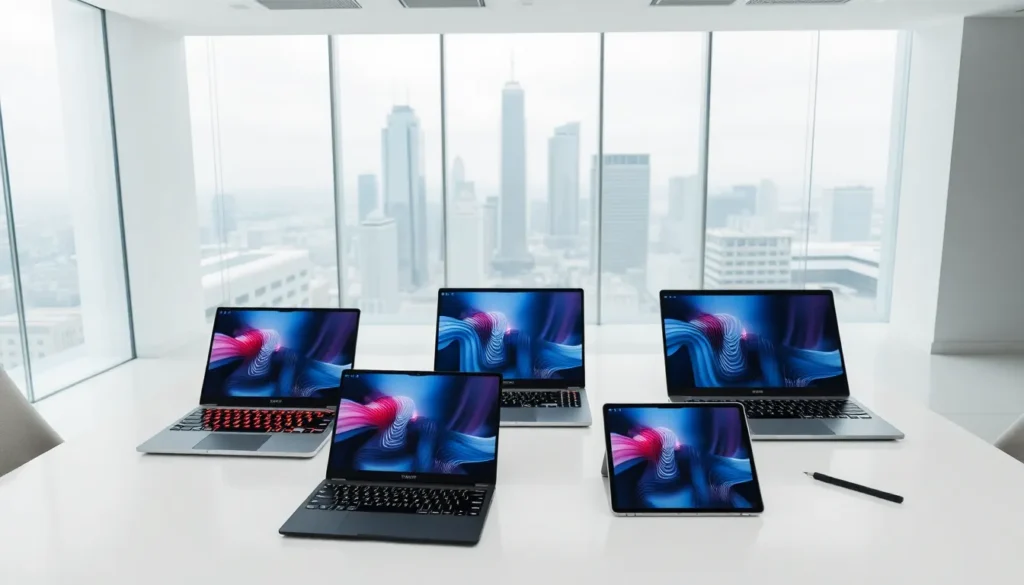

Laptops examples range from ultra-portable machines to powerful gaming rigs. Choosing the right laptop depends on specific needs, budget, and intended use. Some users need lightweight devices for travel. Others require high-performance systems for video editing or gaming. Business professionals often prioritize security features and reliability.
This guide breaks down the main laptop categories available today. Each section covers what makes these laptops examples stand out, along with popular models worth considering. Whether someone needs a budget-friendly option or a premium workstation, this overview helps match the right device to the right purpose.
Table of Contents
ToggleKey Takeaways
- Laptops examples span five main categories: ultrabooks, gaming laptops, business laptops, budget-friendly options, and 2-in-1 convertibles.
- Ultrabooks like the Dell XPS 13 and MacBook Air offer portability under 3 pounds, ideal for travelers and remote workers.
- Gaming laptops deliver powerful GPUs and high-refresh displays but sacrifice battery life, typically lasting only 3-5 hours.
- Business laptops examples such as the ThinkPad T14 and HP EliteBook prioritize security features, durability, and enterprise support.
- Budget laptops under $500, including the Acer Aspire 5, handle everyday tasks like web browsing and document editing effectively.
- 2-in-1 convertible laptops combine laptop and tablet functionality, making them perfect for digital artists and note-takers.
Ultrabooks and Thin-and-Light Laptops
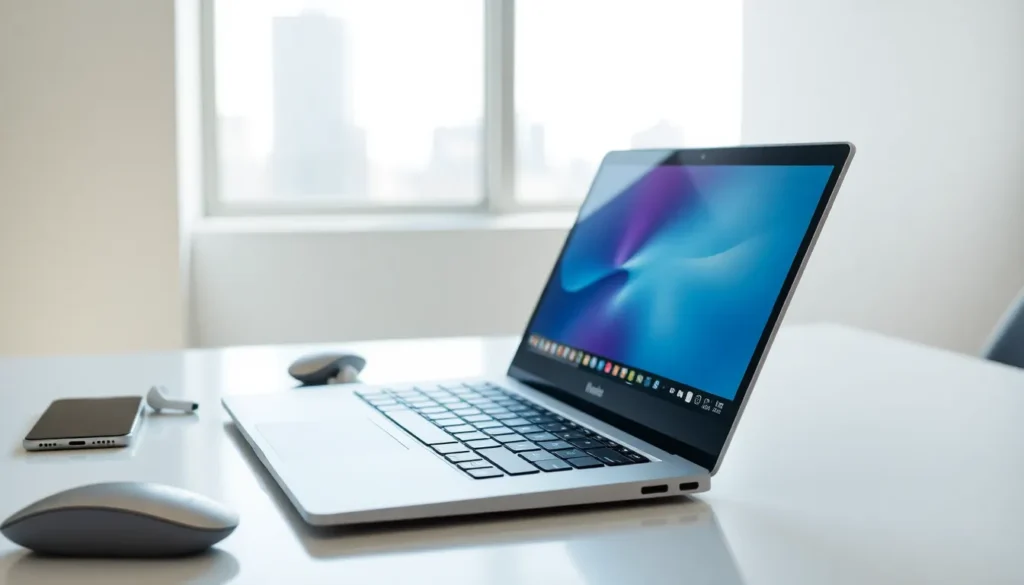
Ultrabooks represent the sleekest laptops examples on the market. These devices typically weigh under three pounds and measure less than 0.7 inches thick. Intel originally coined the term “Ultrabook” in 2011, setting standards for weight, battery life, and performance.
Popular ultrabook models include the Dell XPS 13, Apple MacBook Air, and Lenovo ThinkPad X1 Carbon. The Dell XPS 13 features a nearly borderless display and weighs just 2.64 pounds. Apple’s MacBook Air with M3 chip delivers exceptional battery life, up to 18 hours on a single charge. The ThinkPad X1 Carbon appeals to professionals who want premium build quality with business-grade features.
These laptops examples excel at everyday tasks: web browsing, document editing, video streaming, and light photo work. They sacrifice raw power for portability. Most ultrabooks skip dedicated graphics cards and limit RAM expansion options.
Who Should Buy an Ultrabook?
Frequent travelers benefit most from ultrabooks. Students carrying laptops across campus appreciate the light weight. Remote workers who move between coffee shops and home offices find these devices practical. Anyone who values style and portability over maximum performance should consider this category.
Gaming Laptops
Gaming laptops pack serious hardware into portable form factors. These laptops examples feature dedicated graphics cards, high-refresh-rate displays, and advanced cooling systems. They handle demanding games, 3D rendering, and video production.
Top gaming laptop models include the ASUS ROG Zephyrus G14, Razer Blade 15, and Alienware m16. The ROG Zephyrus G14 balances performance with portability, weighing around 3.5 pounds while housing an AMD Ryzen 9 processor and NVIDIA RTX graphics. The Razer Blade 15 offers a premium aluminum chassis with high-end specs. Alienware’s m16 pushes performance limits with desktop-class components.
Gaming laptops examples typically cost between $1,000 and $3,500. Battery life remains their weakness, expect 3-5 hours for regular tasks and less during gaming. These machines also run hotter and louder than other categories.
Who Should Buy a Gaming Laptop?
Gamers who want to play anywhere need these devices. Video editors and 3D artists benefit from the powerful GPUs. Software developers running resource-heavy applications find gaming laptops capable workstations. Anyone who needs portable power over extended battery life fits this category.
Business and Productivity Laptops
Business laptops prioritize reliability, security, and manageability. These laptops examples often include fingerprint readers, TPM chips, and durable construction. IT departments favor them because they support enterprise management tools.
Leading business laptop models include the Lenovo ThinkPad T14, HP EliteBook 840, and Dell Latitude 5540. The ThinkPad T14 continues Lenovo’s legacy of excellent keyboards and MIL-SPEC durability testing. HP’s EliteBook line offers Sure View privacy screens that prevent visual hacking in public spaces. Dell Latitude models provide consistent performance with strong enterprise support.
These laptops examples balance performance with practicality. They typically feature Intel vPro processors, multiple ports, and easy-to-service designs. Prices range from $900 to $2,000 depending on configuration.
Who Should Buy a Business Laptop?
Corporate employees receive these devices through their employers. Small business owners investing in reliable equipment choose business laptops for longevity. Professionals who handle sensitive data appreciate the security features. Anyone who values durability and support over flashy features should explore this category.
Budget-Friendly Laptops
Budget laptops prove that capable machines exist under $500. These laptops examples handle basic computing tasks without premium price tags. They suit students, casual users, and anyone with straightforward needs.
Solid budget models include the Acer Aspire 5, HP Laptop 15, and Lenovo IdeaPad 3. The Acer Aspire 5 regularly appears on “best budget laptop” lists, offering decent specs around $400. HP’s Laptop 15 series provides reliable performance for everyday tasks. Lenovo’s IdeaPad 3 delivers good value with optional AMD Ryzen processors.
Budget laptops examples make compromises. Expect slower processors, less RAM, and lower-quality displays compared to premium options. Build quality tends toward plastic rather than aluminum. Storage often starts at 256GB.
Who Should Buy a Budget Laptop?
Students writing papers and attending online classes find budget laptops sufficient. Parents buying first computers for children appreciate the lower investment. Anyone who primarily uses cloud-based apps like Google Docs needs minimal local processing power. Budget-conscious shoppers who stick to web browsing, email, and streaming should consider these laptops examples.
2-in-1 Convertible Laptops
2-in-1 laptops combine traditional laptops with tablet flexibility. These laptops examples feature touchscreens and hinges that rotate 360 degrees, or detachable keyboards. Users switch between laptop mode for typing and tablet mode for drawing or reading.
Popular 2-in-1 models include the Microsoft Surface Pro 9, HP Spectre x360, and Lenovo Yoga 9i. The Surface Pro 9 uses a detachable design, functioning as a true tablet when separated from its keyboard. HP’s Spectre x360 offers premium materials with a gem-cut design and OLED display options. The Yoga 9i features a soundbar hinge that improves audio quality.
These laptops examples appeal to creative professionals. Digital artists use styluses for drawing directly on screen. Note-takers sketch diagrams during meetings. Prices typically run $800 to $1,800 for quality 2-in-1 devices.
Who Should Buy a 2-in-1 Laptop?
Artists and designers who draw digitally need these devices. Students taking handwritten notes benefit from pen input. Presenters who share screens with clients appreciate the flexibility. Anyone who wants both a laptop and tablet without buying two devices should explore 2-in-1 laptops examples.